If your oven bottom heating element is not heating, your oven may struggle to reach the desired temperature, cook food unevenly, or fail to bake properly. Whether you’re using a household electric oven or an industrial baking oven, the lower heating element plays a critical role in providing consistent bottom heat.
In this guide, we’ll explain the most common reasons why an oven bottom heating element stops working, how to diagnose the problem safely, and when it’s time to replace the heating element.
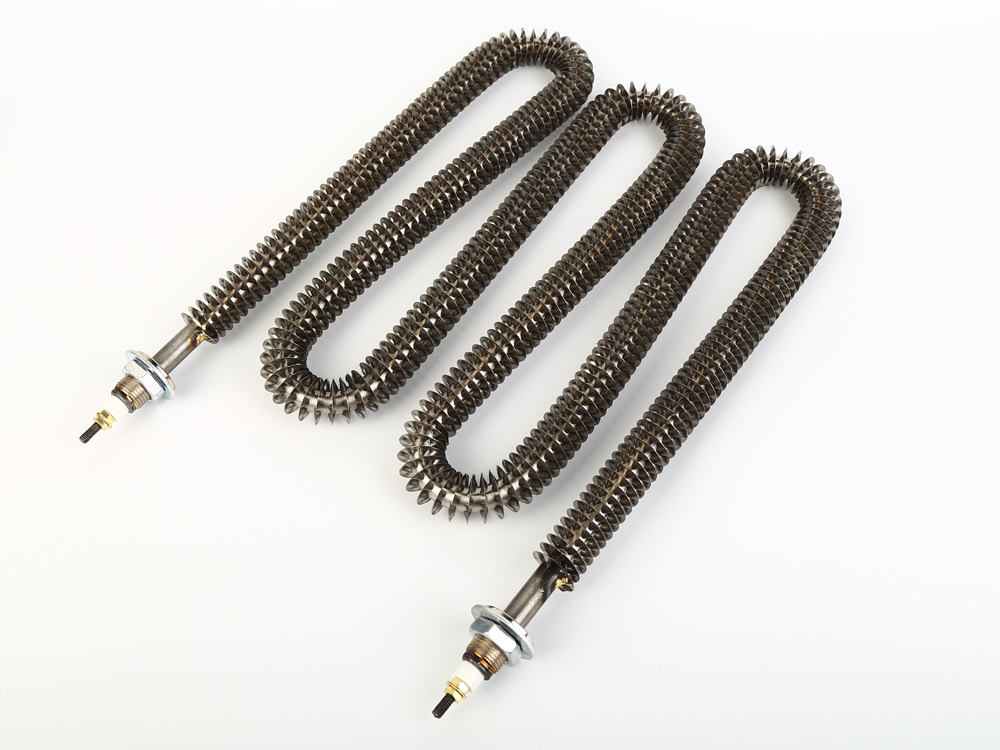
Customized Finned Tubular Heating Elements
Why the Bottom Heating Element Is Important
The bottom heating element is responsible for generating the primary heat used during baking. It ensures that heat is evenly distributed throughout the oven cavity, helping food cook thoroughly and maintain consistent texture and color.
If the lower heating element fails, you may notice:
• The oven takes much longer to preheat.
• Food remains undercooked on the bottom.
• Uneven baking results.
• The oven cannot reach the set temperature.
• The lower heating element stays cold while the upper element operates normally.
If you experience any of these symptoms, follow the troubleshooting steps below.
1. Check the Power Supply
Before inspecting the heating element itself, verify that the oven is receiving electrical power.
What to Check
• Make sure the power plug is securely connected.
• Confirm the wall outlet is supplying power.
• Check whether the circuit breaker or fuse has tripped.
• For industrial ovens, inspect the main disconnect switch and power distribution cabinet.
A faulty power supply is one of the simplest and most common causes of heating failure.
2. Inspect the Temperature Control System
The bottom heating element is controlled by the oven’s thermostat or electronic temperature controller.
If the controller fails, the heating element may never receive power.
Check for:
• Incorrect temperature settings
• Wrong heating mode selected
• Faulty thermostat
• Defective temperature controller
• Damaged relay or solid-state relay (SSR)
Industrial ovens often use PID temperature controllers, which should also be inspected for alarm codes or output failures.
3. Examine the Heating Element
The heating element itself may be damaged after years of continuous heating cycles.
Common signs include:
• Burn marks
• Cracks in the sheath
• Visible deformation
• Broken terminals
• No continuity when tested with a multimeter
If the heating element has failed internally, replacement is usually the most effective solution.
For industrial ovens, replacing the element with a high-quality stainless steel or finned heating element can significantly improve reliability and service life.
4. Check the Wiring Connections
Loose or damaged wiring can prevent electricity from reaching the heating element.
Inspect:
• Terminal connections
• High-temperature wires
• Ceramic insulators
• Connectors
• Junction box connections
Look for:
• Burned connectors
• Loose terminals
• Broken wires
• Oxidized electrical contacts
Industrial ovens operating at high temperatures often experience connector fatigue after long-term use.
5. Test the Heating Element Resistance
Using a multimeter, disconnect the power and measure the resistance across the heating element terminals.
Typical results:
• Normal resistance → Heating element is likely functional.
• Infinite resistance (Open Circuit) → Element is burned out.
• Very low resistance → Internal short circuit.
Always disconnect the oven from the power supply before performing electrical measurements.
6. Replace the Heating Element When Necessary
If testing confirms the heating element has failed, replacement is recommended.
Choose a replacement element with matching specifications:
• Voltage
• Wattage
• Length
• Diameter
• Mounting style
• Terminal type
• Material
For industrial applications, custom heating elements are often manufactured according to OEM drawings or specifications.
7. When Should You Call a Professional?
If you’ve checked the power supply, thermostat, wiring, and heating element but the oven still doesn’t heat properly, professional diagnosis is recommended.
Qualified technicians can inspect:
• Temperature controllers
• Power relays
• Internal wiring
• Control boards
• Safety limit switches
• Electrical insulation
Professional troubleshooting helps prevent unnecessary replacement of working components.
Preventive Maintenance Tips
Regular maintenance can significantly extend the lifespan of your oven heating elements.
We recommend:
• Inspect electrical terminals regularly.
• Tighten loose wiring.
• Clean grease and food residue from the oven.
• Avoid operating the oven beyond its rated temperature.
• Replace damaged insulation immediately.
• Perform periodic resistance testing.
• Use high-quality replacement heating elements.
Proper maintenance reduces downtime and improves heating efficiency.
Frequently Asked Questions (FAQ)
Why does only the top heating element work?
Possible causes include a failed bottom heating element, damaged wiring, faulty thermostat, defective relay, or control board failure.
Can I continue using the oven if the bottom heating element is broken?
The oven may still operate in broil mode, but baking performance will be poor. Continued operation is not recommended until the problem is repaired.
How long do oven heating elements last?
Most electric heating elements last 3–10 years, depending on operating temperature, usage frequency, installation quality, and maintenance.
Industrial heating elements may last even longer when properly designed and maintained.
How do I know if my heating element is burned out?
Common symptoms include:
• No visible red glow
• Oven not heating
• Infinite resistance on a multimeter
• Visible cracks or burn marks
• Uneven cooking performance
Conclusion
A bottom oven heating element not working is usually caused by power supply issues, thermostat failure, damaged wiring, or a burned-out heating element. Fortunately, many of these problems can be diagnosed through systematic inspection.
If the heating element is confirmed to be faulty, replacing it with a high-quality industrial heating element will restore heating performance and improve long-term reliability.
For commercial and industrial ovens, choosing a professionally manufactured replacement heating element ensures better heat transfer, longer service life, and more consistent temperature control.
We specialize in designing products to your specific requirements. Let us help you find the right solution.
Contact Us