Tank heating elements are a common type of heater used in our daily lives. However, many users report that these heating elements frequently burn out. Therefore, what precautions should we take when using tank heating elements to ensure they have a longer service life?
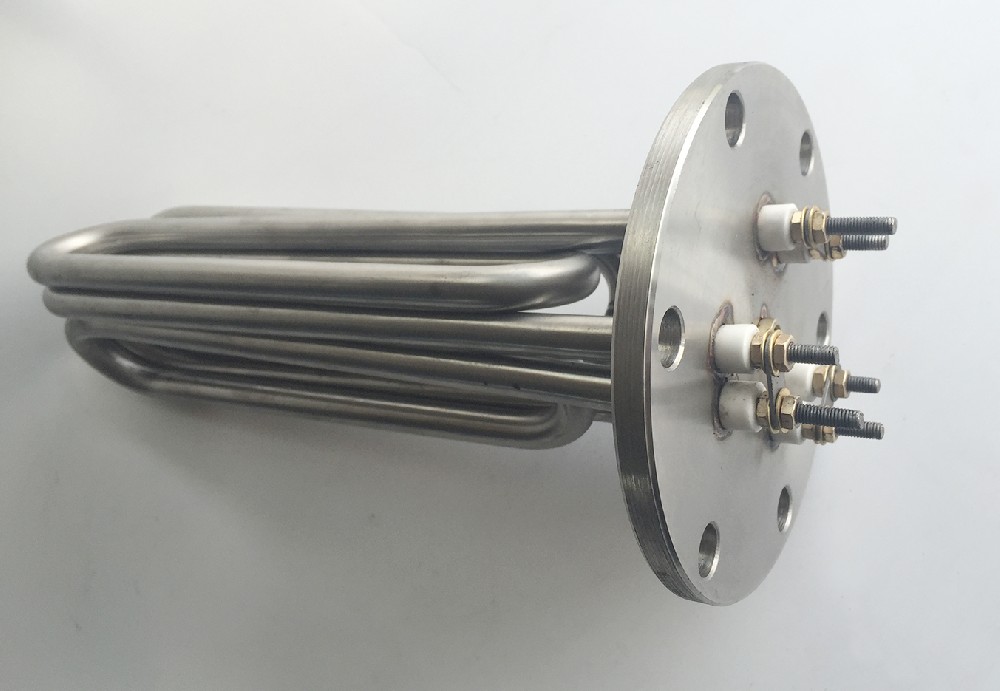
1. Power Output Must Be Reasonably Designed and Not Exceed Limits.** Typically, a standard heating tube is designed for a power output of 3 kW per meter. However, for water prone to limescale buildup or containing significant impurities, the power output should be designed at a lower level.
2. Pay Attention to Installation Orientation.
*Side-Mounting: When installing the element through an opening in the side of the tank, ensure that the external pipe section is designed as a "cold zone" (non-heating zone). Since the volume of water within this external section is relatively small, heat circulation is slow. Creating a cold zone prevents the element from burning out due to the heat not being absorbed quickly enough.
*Top-Mounting: When installing the element vertically downward from the top of the tank, ensure that the upper section—the portion that remains above the water level—is designed as a non-heating zone.
3. Select Appropriate Materials.
If the water being heated is "hard" (high mineral content) and prone to limescale buildup, it is necessary not only to reduce the power output but also to utilize corrosion-resistant tubing materials. Limescale—commonly known as calcium carbonate—is corrosive in nature.
When considering the proper usage of tank heating elements, one should not focus on a single aspect in isolation; instead, it is advisable to consult a professional manufacturer of tank heating elements to handle the design and manufacturing processes.
We specialize in designing products to your specific requirements. Let us help you find the right solution.
Contact Us