In chemical production processes, nitrogen gas—characterized by its inertness, non-corrosiveness, and non-reactive nature—is widely utilized in various operational stages such as inert blanketing, drying, and heating. As a core component for nitrogen heating, the electric nitrogen heater has emerged as a vital support for the efficient advancement of chemical processes, distinguished by its precise temperature control, stable operation, and strong adaptability. The effectiveness of its application directly impacts both the quality of chemical products and the safety of production operations.
The application scenarios for electric nitrogen heaters within chemical processes are extensive and closely integrated with various critical production stages. In the drying of chemical raw materials, ambient nitrogen is heated to a specified temperature by the heater before being introduced into drying equipment; this process rapidly removes moisture from the raw materials, preventing dampness and spoilage. Furthermore, the inert nitrogen environment prevents oxidation of the raw materials, thereby safeguarding their purity after drying—a capability particularly well-suited for sectors such as fine chemicals and pharmaceuticals, where stringent purity standards for raw materials are required.
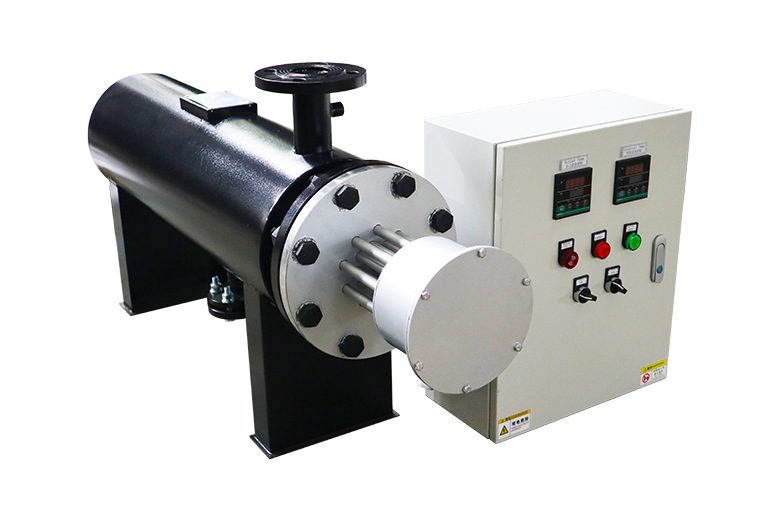
In the context of protecting chemical reactors, nitrogen gas is heated to the required process temperature using an electric nitrogen heater prior to a reaction. This heated nitrogen is then introduced into the reactor to purge the air, establishing an inert protective atmosphere. This measure prevents contact between the reaction materials and oxygen during the process, thereby mitigating safety hazards such as oxidation and combustion. Concurrently, the stable heating temperature facilitates the smooth progression of the reaction, enhancing both reaction efficiency and product yield.
Regarding the anti-freezing of chemical pipelines and the preheating of reaction media, electric nitrogen heaters play a crucial role during low-temperature winter conditions. By heating nitrogen and circulating it through pipelines, the system effectively prevents the freezing and blockage of the internal medium, thereby ensuring production continuity. Additionally, this heated nitrogen can be utilized to preheat the reaction medium, reducing energy consumption during the reaction phase and shortening the overall reaction cycle—ultimately contributing to the production goals of energy conservation and cost reduction.
Practical experience has demonstrated that high-quality electric nitrogen heaters offer precise temperature control, high thermal efficiency, and stable operation. They are capable of meeting the diverse nitrogen heating requirements—spanning various flow rates and temperature ranges—inherent in chemical processes, effectively resolving issues associated with traditional heating methods, such as inaccurate temperature control, high energy consumption, and poor safety performance. As the chemical industry continues its evolution toward greater sophistication and sustainability, electric nitrogen heaters are poised to undergo further optimization and technological upgrades, providing even more robust guarantees for the safe, efficient, and energy-conscious production of chemical goods.
We specialize in designing products to your specific requirements. Let us help you find the right solution.
Contact Us