Immersion liquid heating elements rely on surrounding fluid to carry away surface heat for stable operation. The working liquid acts both as heat transfer medium and thermal protection layer for the tube sheath.
Once liquid is gone during dry burn, heat cannot dissipate properly. Sheath temperature spikes rapidly to hundreds of degrees Celsius, far exceeding rated working temperature. This leads to degraded internal insulation, heater wire harm and outer sheath oxidation.
Liquid heating elements are designed with surface load ratings matched to liquid cooling conditions. Without fluid cooling, heat dissipation drops drastically. The longer dry burn continues, the more permanent damage accumulates on your heating element.
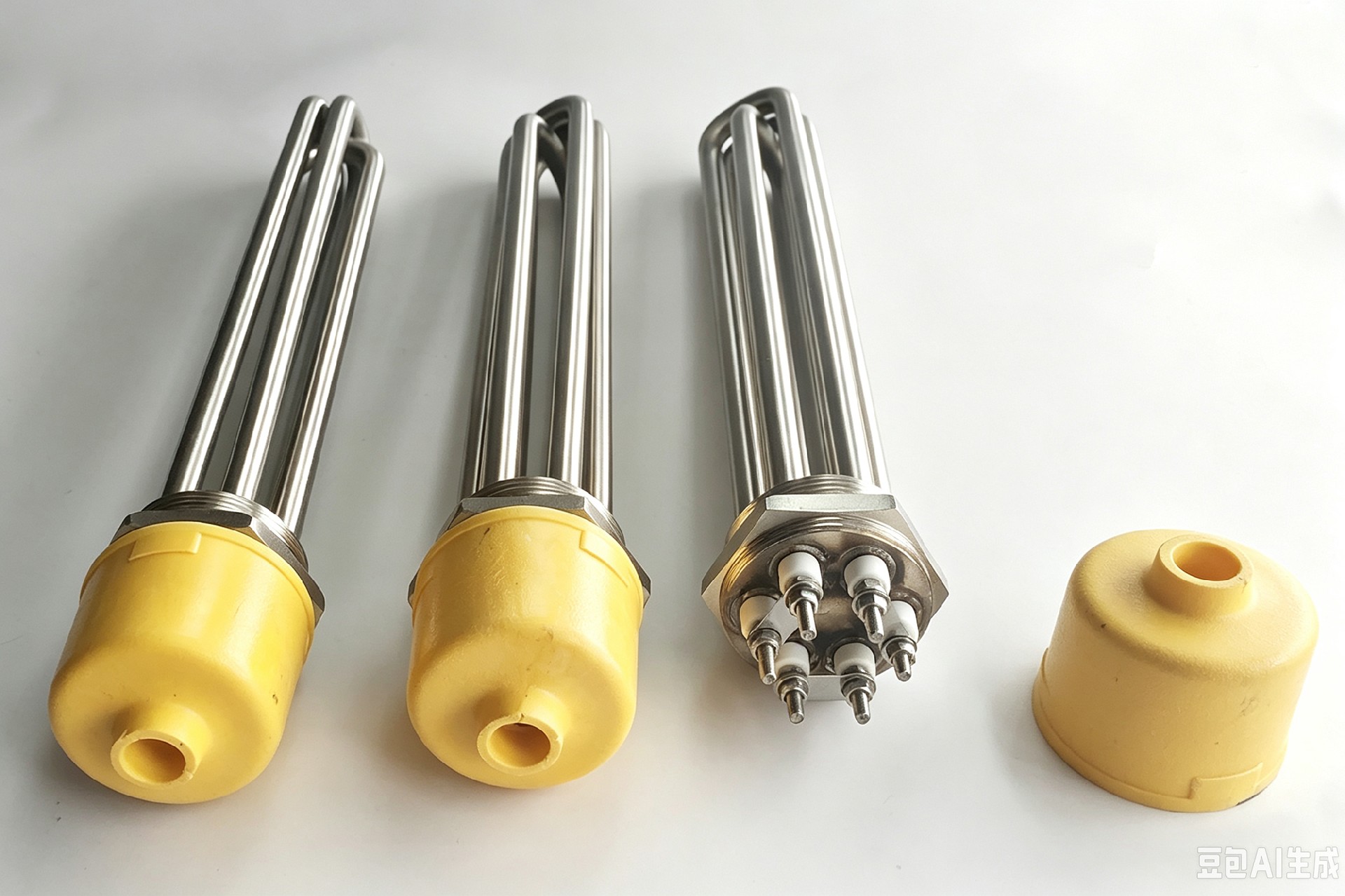
Not every dry burned immersion heater needs immediate scrapping. Evaluate by burn duration, visual condition and electrical performance.
Judgment criteria: Power cut within 1 3 minutes of dry burn; no sheath blackening, bulging, deformation or cracks; no burnt odour; heating works normally with no leakage or tripping.
This commonly happens due to temporary tank level fluctuation or brief thermal oil circulation stop. Only terminal box and inner insulating material experience minor dampness and temperature rise; core heating assembly remains intact. After proper dehumidification and insulation resistance testing, the heating element can go back into service with no replacement required.
Judgment criteria: Dry burn lasts 3 10 minutes; slight yellow discoloration and local sheath oxidation, faint burnt smell; no bulging or cracks; heating function remains, no earth leakage.
In this case internal MgO insulation powder suffers thermal stress and insulation performance decreases, but resistance wire is not broken. The unit may still work after treatment, yet continuous full load running is not recommended. Shorten inspection intervals strictly and prevent secondary dry burn or overload events.
Judgment criteria: Dry burn over 10 minutes without emergency power off; sheath blackening, surface peeling, bulging deformation or cracks; strong burnt fumes; no heat output or frequent leakage / tripping on power up.
Heavy dry burn causes resistance wire burnout and carbonization of internal insulation powder, resulting in permanent insulation failure. Even if the element still heats occasionally, hidden dangers of short circuit, electric shock and tube rupture persist. For workplace safety, severely damaged immersion heaters must be replaced outright.
Only apply this procedure for mild to moderate dry burn cases that pass visual inspection.
1. Full power off & cool down period Do not pour cold liquid or power on right after dry burn. Thermal shock may crack the sheath; water vapour can break down internal insulation. Let the unit cool completely.
2. Drying and dehumidification Open terminal box for natural ventilation. In heavy moisture scenarios, perform low temperature oven drying to eliminate moisture caused leakage risks.
3. Full visual inspection Examine sheath for deformation, bulges, cracks, blackening and peeling. Scrap immediately if any physical damage is spotted.
4. Submerged low voltage test run Fully submerge the heating tube in process liquid. Carry out short duration low voltage energizing test. Check consistent heating, earth leakage and circuit tripping behaviour.
5. Re test insulation resistance Confirm insulation resistance meets industrial specifications. Only then return the heating element to regular production operation.
Proactive maintenance extends immersion heater service life and cuts unplanned replacement costs. Follow these four key measures:
1. Install interlock protection hardware Fit liquid level sensors and low level cut off devices for tanks and vessels to stop heating when fluid volume drops.
2. Implement pump heater interlock for thermal oil systems Program circulation pump to start before heater activation. Prevent thermal oil heating rods from running without flowing medium.
3. Regular surface cleaning Remove limescale, oil sludge and surface deposits. Built up fouling restricts heat dissipation, creates hot spots and triggers indirect dry burn damage.
4. Periodic insulation resistance testing Schedule routine insulation checks for aging heating assemblies. Spot degradation early to avoid unexpected dry burn related downtime.
Dry burn does not automatically mean end of life for your liquid heating tube. Mild dry burned units with sound physical condition and passing insulation test can be safely repaired and reused. Moderately damaged elements may stay in service with tighter maintenance schedules. Heavily carbonized, deformed or cracked heating elements should be discarded without exception.
Correct operating procedures plus reliable anti dry burn interlocks maximize immersion heater lifespan and lower overall plant maintenance expenditure.
We manufacture high performance immersion heating tubes for global industrial customers. Our product portfolio covers water tank heating elements, thermal oil heater rods and custom liquid heating assemblies for clean water, thermal oil and various process fluids.
Our heating elements adopt optimized anti dry burn construction and premium insulating materials for stable insulation performance and longer service cycles. We deliver one stop solutions: non standard customisation, product selection support, on site fault reference guidance and technical after sales service.
We specialize in designing products to your specific requirements. Let us help you find the right solution.
Contact Us