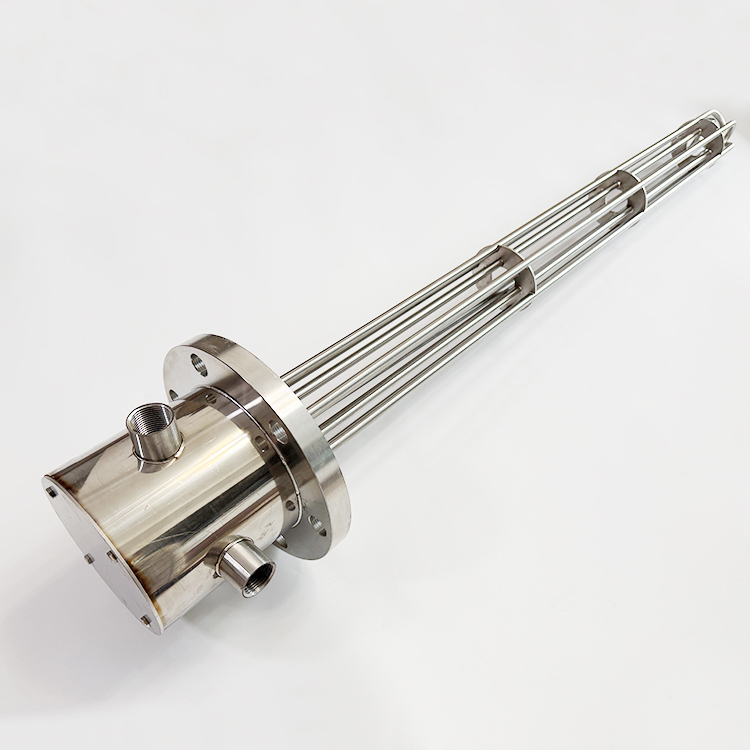
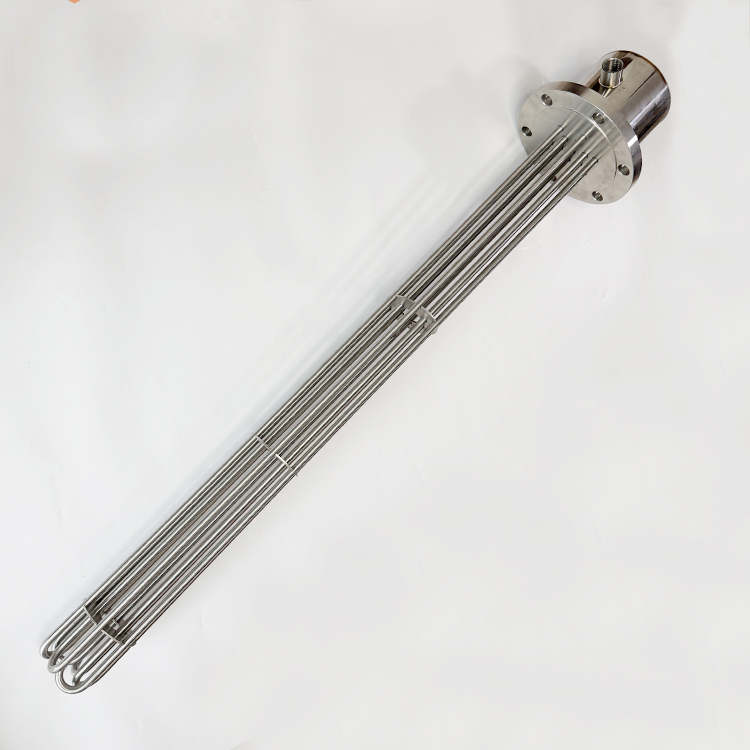
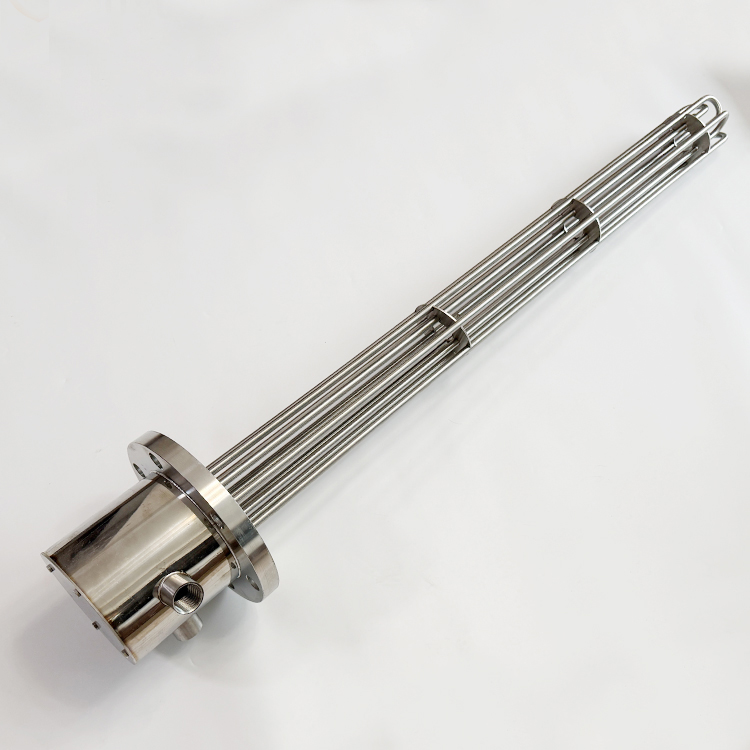
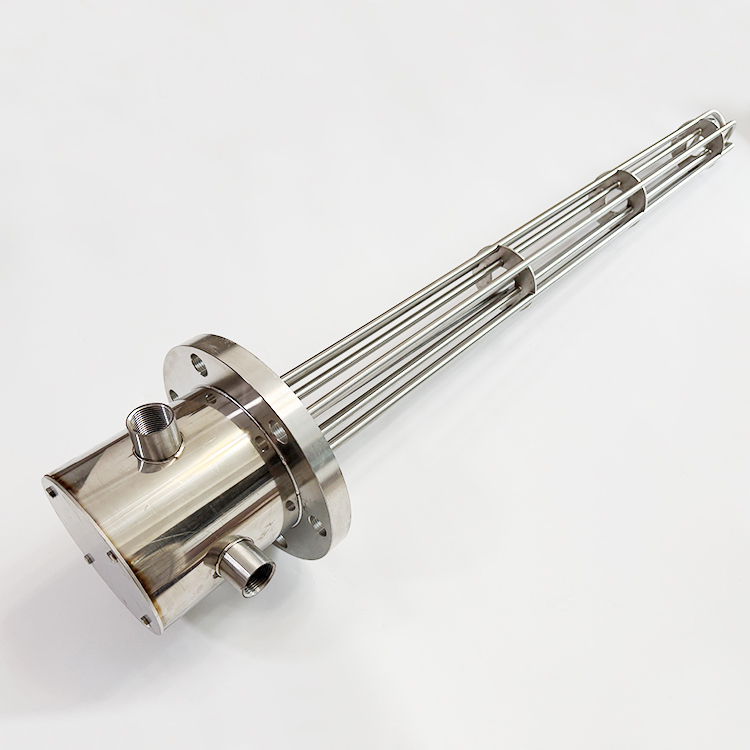
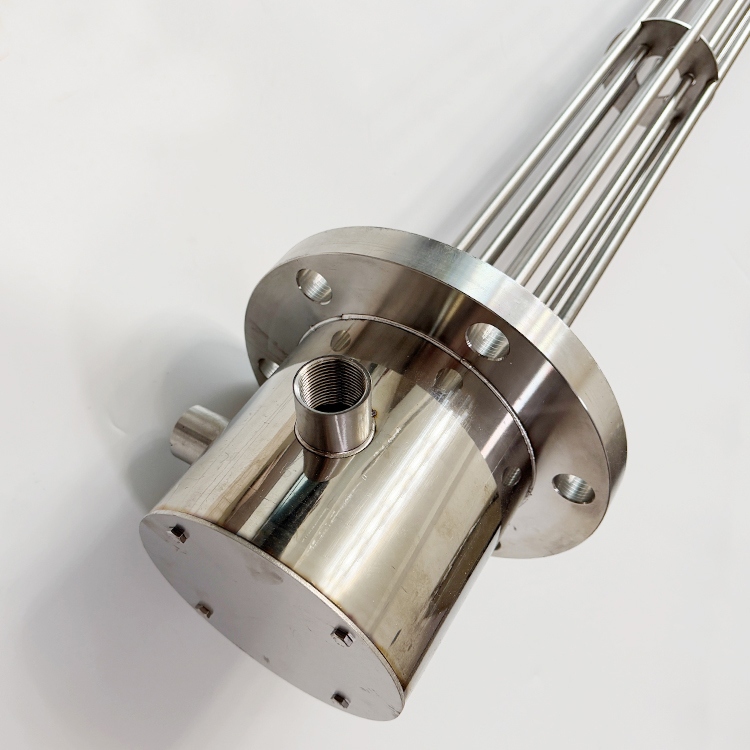
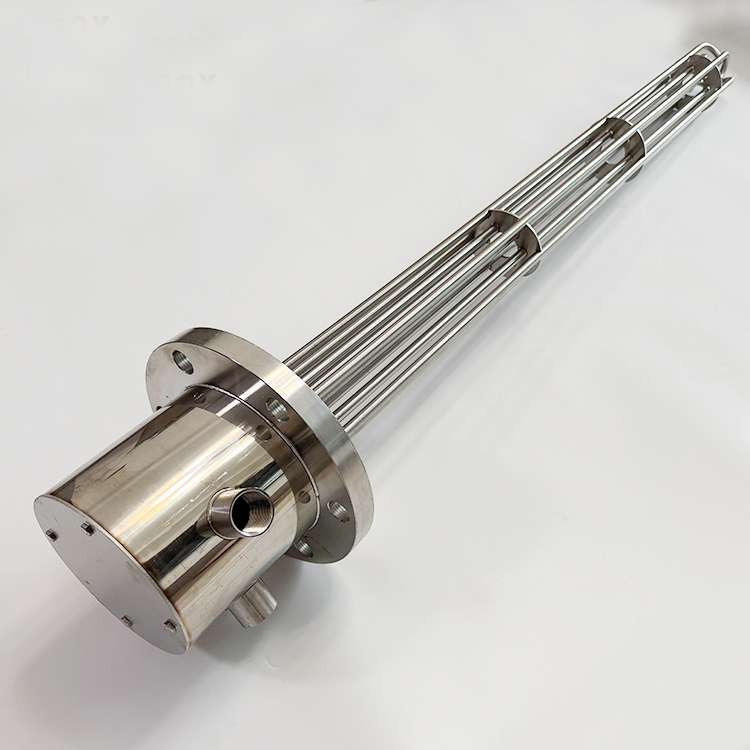
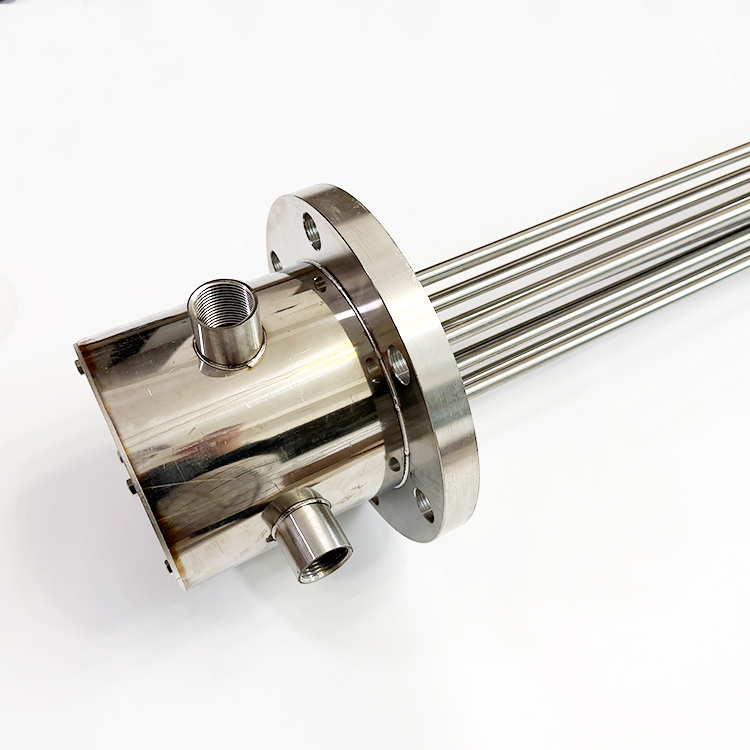
Industrial Electric Heating Solutions for Liquids, Oils & Chemical Tanks
High-efficiency flange immersion heaters engineered for water,oil,chemicals,corrosive liquids,and industrial process heating.Custom voltage,power,flange size,sheath material,and temperature control available.
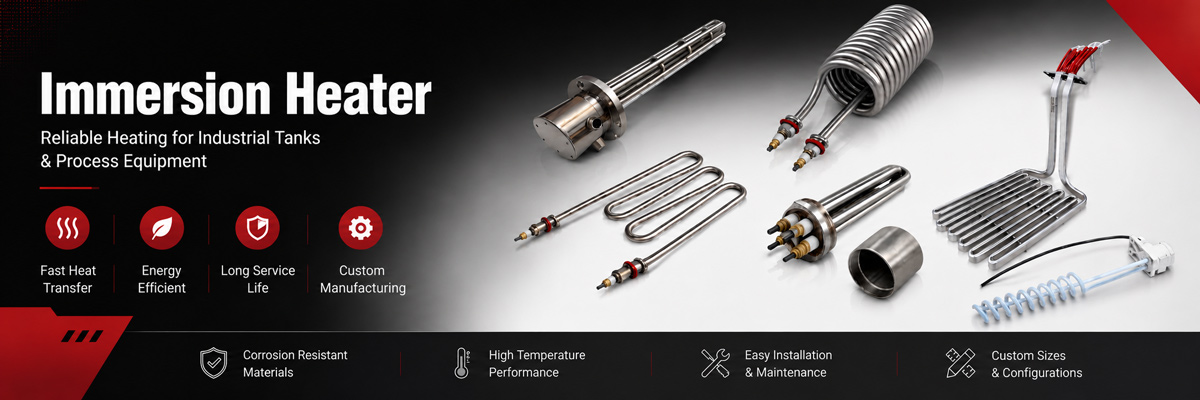
Immersion Heater: Efficient, Reliable & Custom Industrial Heating Solutions
An immersion heater is one of the most efficient electric heating solutions for heating liquids directly. Unlike indirect heating methods, immersion heaters transfer heat directly into the medium, minimizing energy loss while providing fast temperature rise and precise temperature control.
At Hotbox Heater, we design and manufacture high-performance industrial immersion heaters for demanding applications including water, oil, chemicals, acids, alkalis, plating solutions, food processing, pharmaceutical systems, clean water treatment, and OEM industrial equipment.
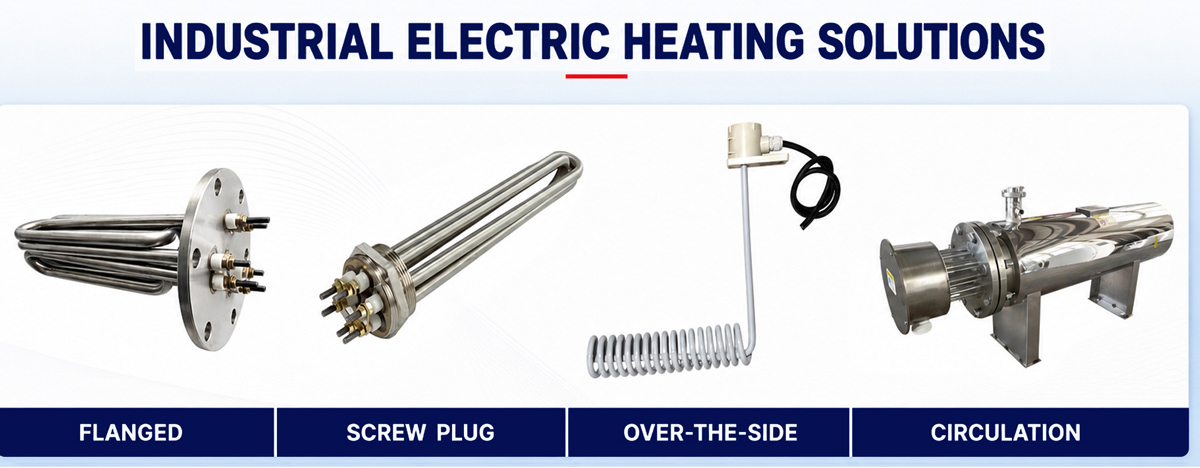
Whether you need a flanged immersion heater, screw plug immersion heater, over-the-side immersion heater, or a fully customized heating solution, we provide reliable products engineered for long service life and maximum thermal efficiency.
What Is an Immersion Heater?
An immersion heater is an electric heating element installed directly into a liquid. Electricity passes through a resistance wire inside the heating tube, generating heat that transfers through the metal sheath directly into the surrounding liquid.
Because heat is produced inside the liquid itself, immersion heaters offer:
• Nearly 100% energy transfer efficiency
• Rapid heating
• Excellent temperature uniformity
• Compact installation
• Low maintenance requirements
• Long operational life
Compared with gas heating, steam heating, or external heat exchangers, immersion heaters require less maintenance and provide much higher temperature control accuracy.
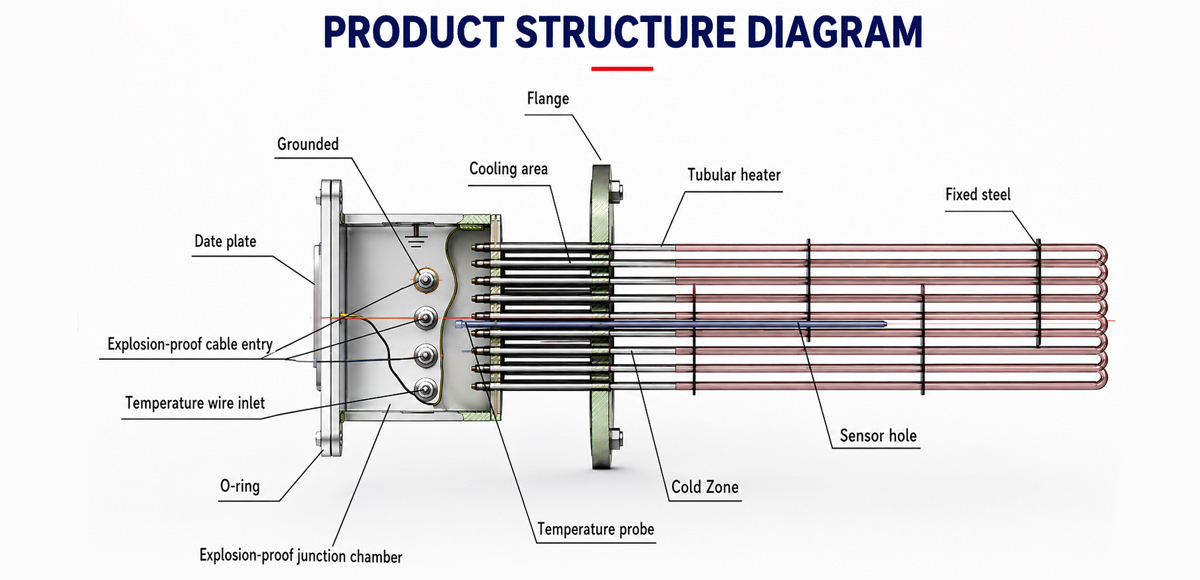
How Does an Immersion Heater Work?
The heating process is straightforward yet highly efficient.
1. Electrical current flows through the resistance wire.
2. Resistance converts electrical energy into heat.
3. Magnesium oxide insulation transfers heat efficiently while electrically isolating the coil.
4. Stainless steel or Incoloy sheath conducts heat into the liquid.
5. Natural or forced convection circulates heated liquid throughout the tank.
This direct heating process significantly reduces thermal losses compared to external heating systems.
Main Types of Immersion Heaters
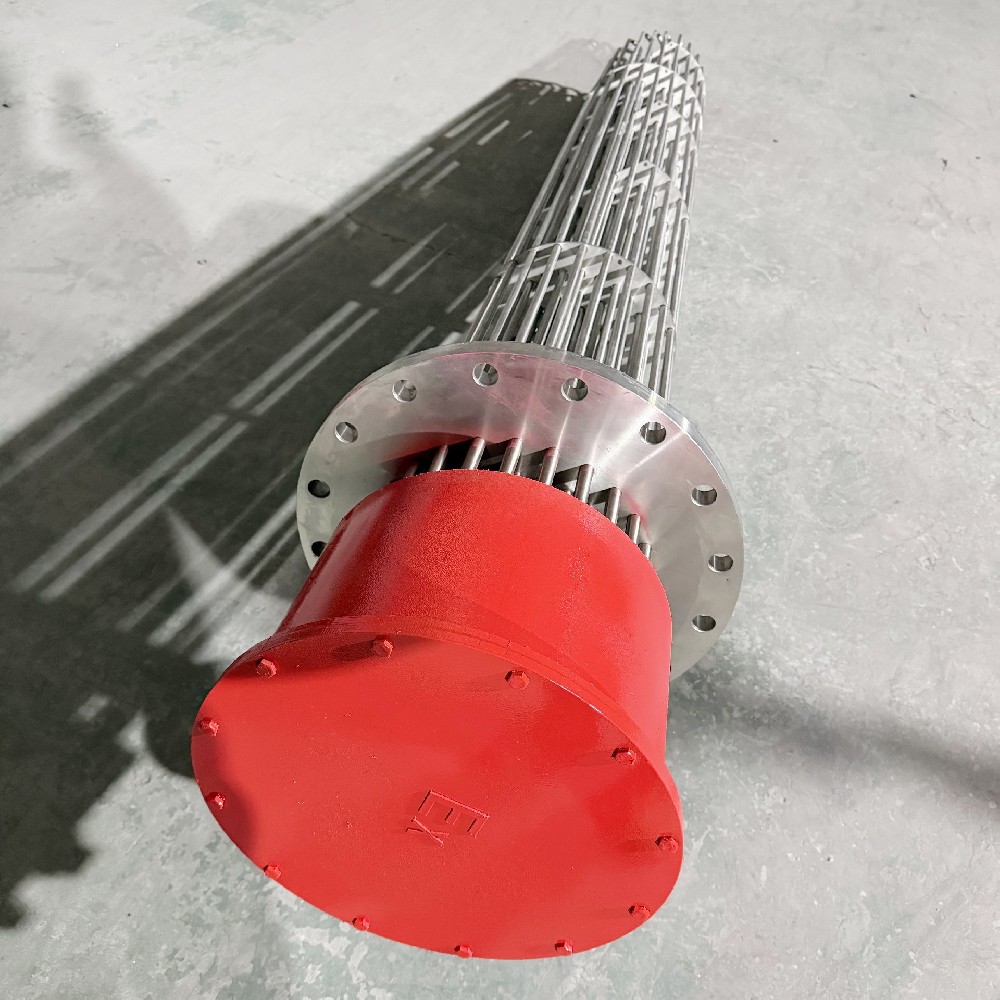
1. Flanged Immersion Heater
The most common industrial immersion heater.
Ideal for:
• Large storage tanks
• Chemical processing
• Water heating
• Oil heating
• Pressure vessels
Advantages:
• High power capacity
• Easy maintenance
• Replaceable heating bundle
• Suitable for high-temperature applications
2. Screw Plug Immersion Heater
Designed for smaller tanks and pipelines.
Suitable for:
• Lubricating oil
• Hydraulic oil
• Water
• Glycol
• Heat transfer fluids
Benefits:
• Compact installation
• Easy replacement
• Leak-proof sealing
• Cost-effective
3. Over-the-Side Immersion Heater
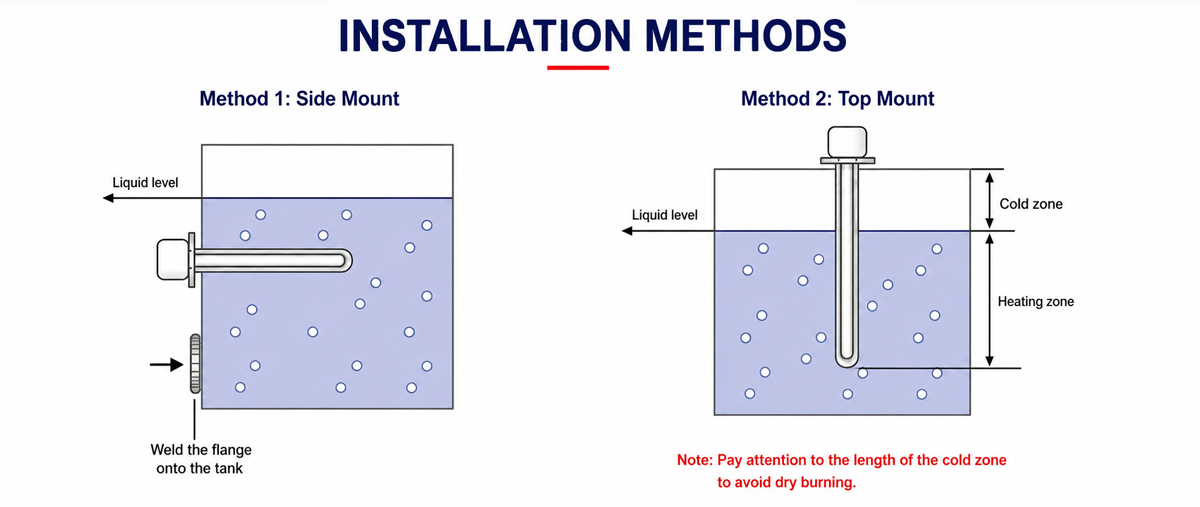
Installed from the top edge of an open tank without drilling.
Applications include:
• Electroplating
• Cleaning tanks
• Chemical baths
• Rinse tanks
• Temporary heating
Advantages:
• Easy installation
• Portable
• No tank modification
• Excellent for maintenance projects
4. Circulation Heater
A circulation heater combines immersion heating elements with a pressure vessel to heat flowing liquids or gases.
Common industries:
• Oil & Gas
• Chemical processing
• Water treatment
• HVAC
• Food processing
Key Components of an Immersion Heater
Every Hotbox Heater immersion heater consists of premium components designed for industrial reliability.
Heating Element
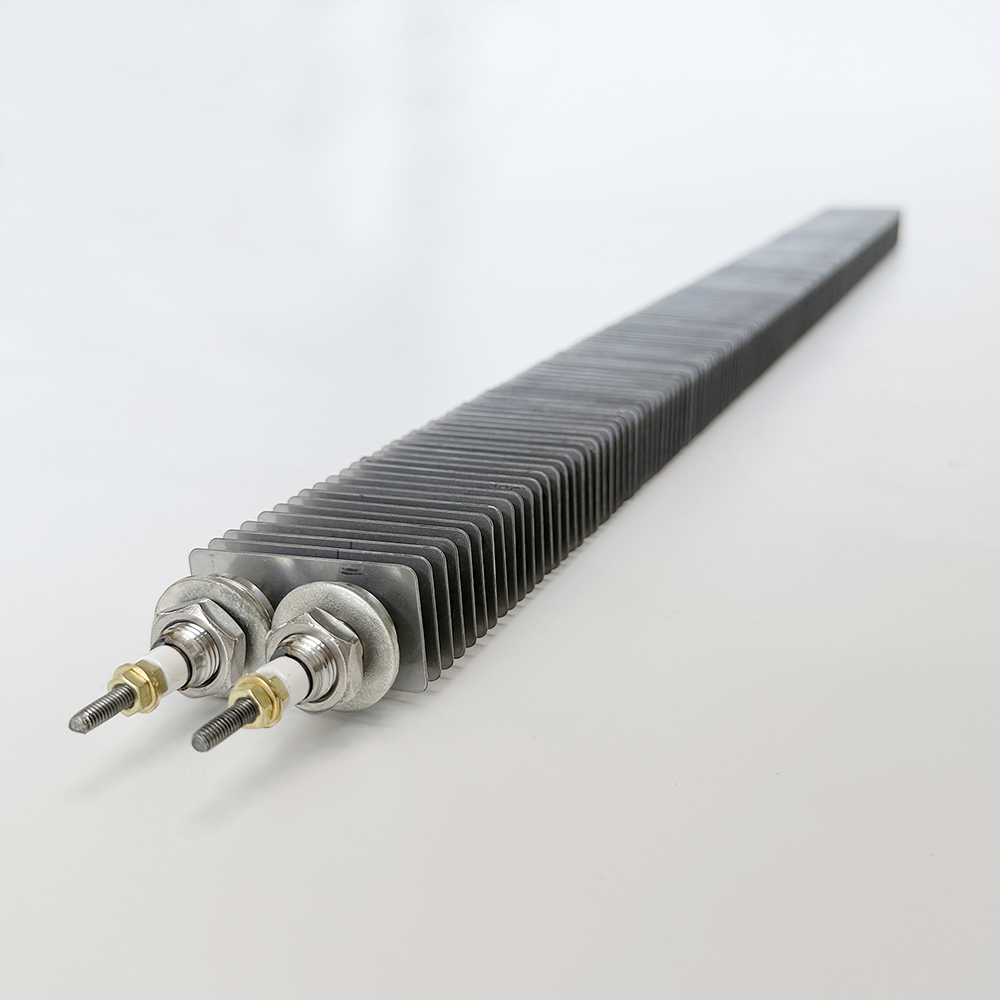
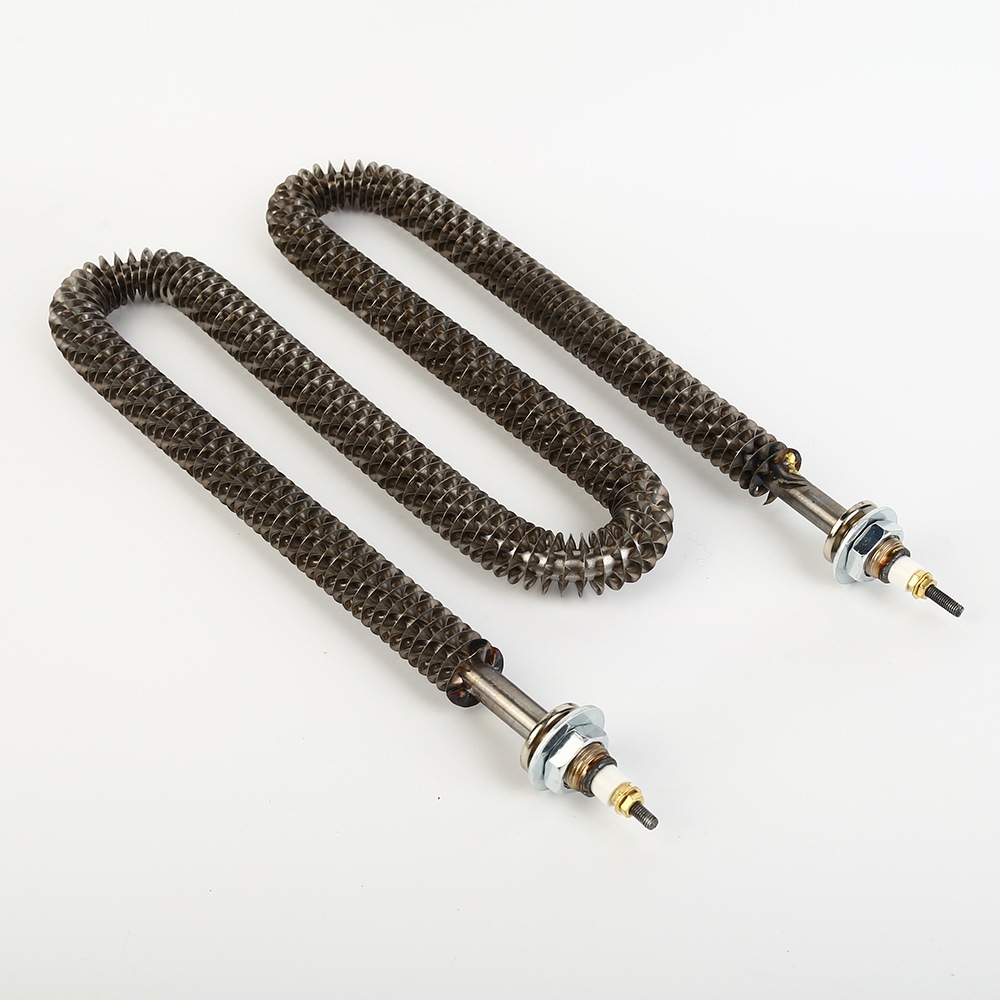
High-density tubular heating elements deliver rapid heat transfer and long service life.
Heating Coil
High-grade Nickel-Chromium resistance wire ensures stable heating performance.
Magnesium Oxide Insulation
High-purity compressed MgO powder provides:
• Excellent electrical insulation
• High thermal conductivity
• Moisture resistance
Metal Sheath
Available materials include:
• Stainless Steel 304
• Stainless Steel 316L
• Incoloy 800
• Titanium
• Copper
• Inconel
Material selection depends on the liquid composition and operating temperature.
Terminal Housing
Industrial-grade terminal boxes offer:
• Waterproof protection
• Explosion-proof options
• High-temperature wiring
• Easy maintenance
Advantages of Immersion Heaters
High Energy Efficiency
Because heat is generated directly inside the liquid, almost all electrical energy converts into useful heat.
Rapid Heating
Direct contact between the heating element and liquid minimizes thermal resistance.
Precise Temperature Control
Compatible with:
• Thermostats
• RTD sensors
• Thermocouples
• PID controllers
• PLC automation systems
Temperature accuracy can reach ±1°C or better.
Long Service Life
Premium materials and optimized surface watt density significantly extend heater lifespan.
Low Maintenance
Simple construction reduces maintenance costs and downtime.
Flexible Customization
Almost every parameter can be customized.
Immersion Heater Applications
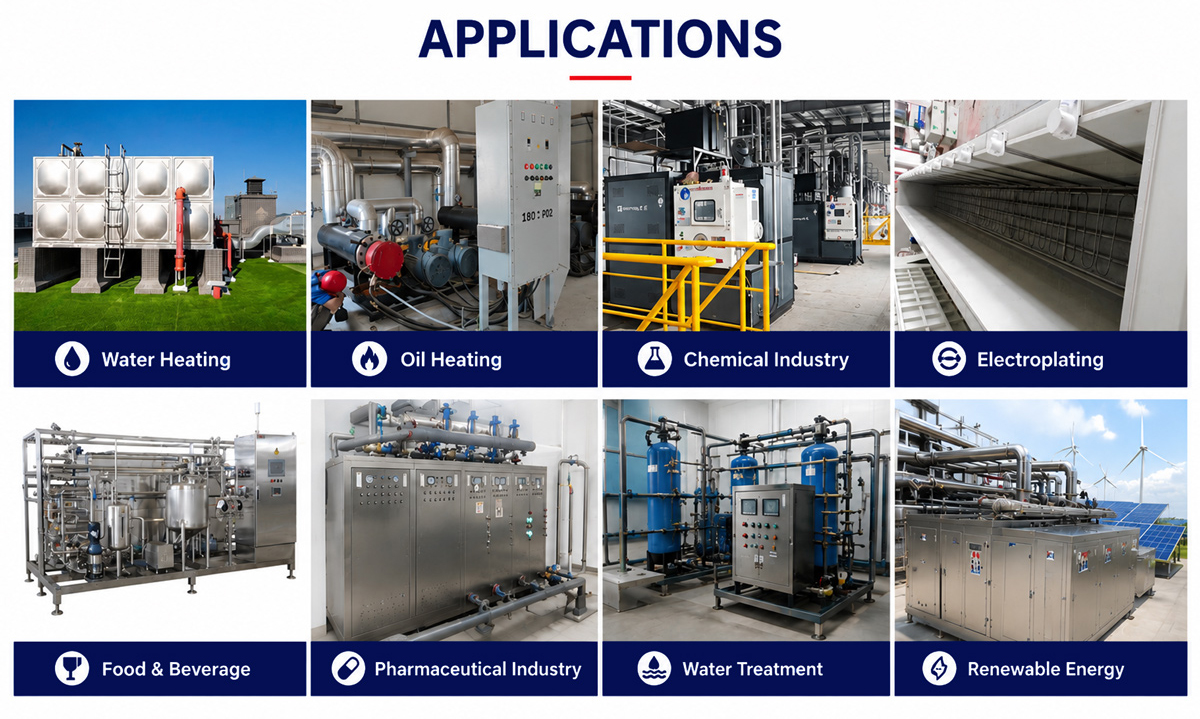
Immersion heaters are widely used across numerous industries.
Water Heating
• Hot water tanks
• Boilers
• Domestic hot water
• Process water
Oil Heating
Suitable for:
• Hydraulic oil
• Lubricating oil
• Fuel oil
• Thermal oil
Chemical Industry
Compatible with:
• Acid solutions
• Alkali solutions
• Chemical reactors
• Mixing tanks
Special corrosion-resistant materials are available.
Electroplating
Used for heating:
• Nickel plating
• Zinc plating
• Chrome plating
• Acid baths
Titanium immersion heaters are especially popular.
Food & Beverage
Applications include:
• Cooking oil
• Syrup
• Chocolate
• Dairy processing
• Beverage production
Food-grade stainless steel ensures hygienic operation.
Pharmaceutical Industry
Used in:
• Purified water
• CIP systems
• Mixing tanks
• Sterile processing
Water Treatment
Ideal for:
• RO systems
• Deionized water
• Wastewater treatment
• Chemical dosing tanks
Renewable Energy
Applied in:
• Heat storage tanks
• Solar thermal systems
• Heat pumps
• Energy storage systems
Materials Available
Choosing the correct sheath material is essential for performance and durability.
Material | Max Temperature | Best For |
Stainless Steel 304 | 650°C | Water, weak chemicals |
Stainless Steel 316L | 750°C | Corrosive liquids, seawater |
Incoloy 800 | 870°C | High-temperature industrial applications |
Titanium | 600°C | Strong acids, electroplating |
Copper | 250°C | Clean water heating |
Inconel | 1000°C+ | Extreme environments |
Technical Specifications
Parameter | Range |
Voltage | 12V–690V |
Power | 100W–500kW |
Diameter | Ø8–25mm |
Heating Length | Custom |
Working Temperature | Up to 850°C |
Flange Size | DN40–DN500 |
Thread | BSP / NPT |
Protection | IP54 / IP65 / Explosion Proof |
Certification | CE, RoHS (available upon request) |
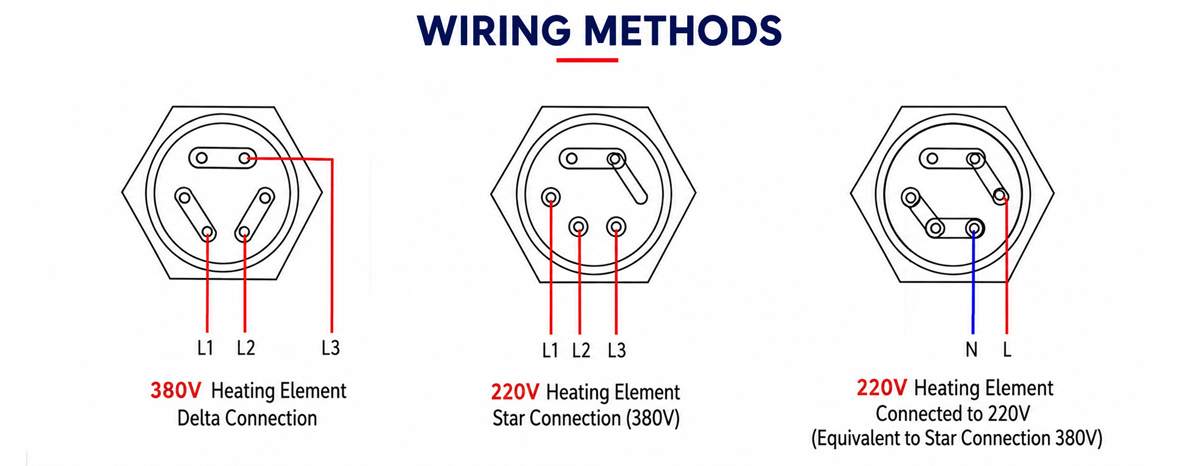
Optional Features
Hotbox Heater offers numerous customization options, including:
• Built-in thermostat
• PT100 RTD sensor
• K-type thermocouple
• Explosion-proof terminal box
• Moisture-resistant terminals
• High-temperature lead wires
• Protective guard
• Temperature controller package
• Customized flange design
• Special watt density optimization
How to Select the Right Immersion Heater
To recommend the most suitable solution, please provide the following information:
• Liquid type
• Tank dimensions
• Required heating temperature
• Initial liquid temperature
• Heating time
• Operating pressure
• Voltage
• Power requirement
• Installation method
• Available installation space
Our engineers will calculate the optimal watt density and heating configuration to ensure safe, efficient operation.
Why Choose Hotbox Heater?
With years of experience in industrial electric heating technology, Hotbox Heater supplies customized immersion heating solutions to customers worldwide.
Our Advantages
• OEM & ODM Manufacturing
• Experienced Engineering Team
• High-Density Heating Technology
• Strict Quality Control
• Fast Production
• Worldwide Shipping
• Competitive Factory Pricing
• Comprehensive Technical Support
• Custom Design Services
• Reliable After-Sales Service
Every heater undergoes rigorous inspection, including resistance testing, insulation testing, leakage testing, dimensional verification, and performance validation before shipment.
Frequently Asked Questions (FAQ)
What is an immersion heater used for?
Immersion heaters are used to heat liquids directly in tanks, vessels, pipelines, and industrial processing equipment. Common applications include water heating, oil heating, chemical processing, electroplating, food manufacturing, and pharmaceutical systems.
Which immersion heater material is best?
The best material depends on the liquid being heated. Stainless steel suits water and mild chemicals, while titanium is preferred for corrosive acids and electroplating solutions. Incoloy is ideal for high-temperature industrial processes.
How efficient is an immersion heater?
Immersion heaters typically achieve nearly 100% electrical-to-heat energy conversion because the heat is generated directly within the liquid, minimizing energy losses.
How long does an immersion heater last?
Service life depends on operating conditions, watt density, sheath material, and maintenance. A properly designed industrial immersion heater can operate reliably for many years.
Can immersion heaters be customized?
Yes. Hotbox Heater offers custom voltage, wattage, dimensions, flange size, thread type, sheath material, temperature sensors, terminal boxes, and control systems to meet specific application requirements.
Request a Custom Immersion Heater Solution
Whether you need a standard immersion heater or a fully engineered custom design, Hotbox Heater can provide a solution tailored to your application.
Contact our engineering team today for expert technical support, fast quotations, and customized immersion heating solutions designed to maximize efficiency, reliability, and service life.
Any interests,just click here and contact us.
We specialize in designing products to your specific requirements. Let us help you find the right solution.
Contact Us